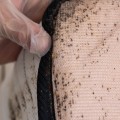
Pest control is a critical aspect of maintaining a healthy and safe living environment, yet it often presents significant challenges for homeowners. Among the myriad of pests that can invade our homes, some stand out due to their remarkable resilience and ability to evade traditional elimination methods. Understanding these challenging pests is essential for developing effective pest control strategies that not only address current infestations but also prevent future occurrences.Many pests, such as termites, bed bugs, and cockroaches, have adapted over time to withstand various control measures. Their rapid reproduction rates, ability to hide in hard-to-reach places, and resistance to common pesticides make them particularly difficult to eradicate.
For instance, termites can silently cause extensive structural damage before their presence is even detected, while bed bugs can survive for months without feeding, making them a persistent nuisance. This resilience necessitates a deeper understanding of their behavior and biology to formulate effective elimination strategies.In this article, we will delve into the specific characteristics that make these pests so challenging to control. We will explore the reasons behind their tenacity and provide insights into the most effective pest elimination strategies available today. By equipping yourself with knowledge about these formidable foes, you can take proactive steps to safeguard your home from infestations and ensure a pest-free environment.
Understanding Pest Resilience
Understanding the resilience of pests is crucial for effective pest control.Many pests possess unique biological and behavioral traits that enable them to survive in various environments, making them particularly challenging to eliminate. This resilience can be attributed to several factors, including their reproductive strategies, physical adaptations, and behavioral patterns.
Reproductive Strategies
One of the primary reasons pests are hard to eliminate is their rapid reproduction rates. For instance, a single female cockroach can produce up to 400 offspring in her lifetime. This exponential growth means that even a small infestation can quickly escalate into a larger problem if not addressed promptly.
Similarly, bed bugs can lay hundreds of eggs in a short period, making it difficult for homeowners to keep up with their population growth.
Physical Adaptations
Pests have evolved various physical adaptations that enhance their survival. For example, the exoskeleton of bed bugs provides them with protection against many common insecticides. This tough outer layer allows them to withstand treatments that would be lethal to other insects. Additionally, some pests, like termites, have developed specialized mouthparts that enable them to digest cellulose found in wood, allowing them to thrive in environments where food sources are scarce.
Behavioral Patterns
Behavior also plays a significant role in pest resilience.
Many pests exhibit nocturnal habits, which help them avoid detection by humans and predators. Cockroaches, for instance, are primarily active at night, making it challenging for homeowners to spot them during the day. Furthermore, pests like rodents are known for their ability to hide in small crevices and inaccessible areas of a home, complicating eradication efforts.Moreover, some pests have developed sophisticated survival strategies that allow them to adapt to changing environments. For example, certain species of ants can change their foraging behavior based on food availability and environmental conditions.
This adaptability makes it difficult for pest control measures to be effective over time.In conclusion, the resilience of pests stems from a combination of rapid reproduction, physical adaptations, and behavioral strategies. Understanding these factors is essential for developing effective pest control methods and ensuring long-term success in managing infestations.
Termites: The Silent Destroyers
Termites are often referred to as the "silent destroyers" due to their ability to cause significant damage to homes and structures without being detected until it’s too late. These pests primarily feed on cellulose, which is found in wood, paper, and other plant materials. Their destructive nature makes them one of the most concerning pests for homeowners.Signs of Termite Infestation
- Wood Damage: One of the most obvious signs of a termite infestation is damage to wooden structures.
Look for wood that sounds hollow when tapped or has a crumbling texture.
- Frass: Termite droppings, known as frass, resemble small pellets and can often be found near infested wood.
- Mud Tubes: Subterranean termites build mud tubes to travel between their nests and food sources. These tubes can often be seen on exterior walls or foundations.
- Swarmers: During certain seasons, you may notice winged termites (swarmers) inside your home. This indicates that a colony is nearby.
Effective Termite Control Methods
Controlling termites requires a multi-faceted approach:
- Early Detection: Regular inspections by pest control professionals can help identify termite activity before it leads to extensive damage.
- Moisture Control: Since termites thrive in moist environments, fixing leaks and ensuring proper drainage around your home can deter them.
- Boric Acid Treatments: This natural insecticide can be applied to affected areas to kill termites upon contact and disrupt their digestive systems.
- Professional Extermination: For severe infestations, it’s crucial to enlist the help of pest control experts who can implement advanced treatments such as baiting systems or liquid insecticides.
Bed Bugs: The Unwelcome Guests
Bed bugs are notorious for being one of the most challenging pests to eliminate from homes and businesses.These tiny, elusive insects can quickly turn a peaceful night’s sleep into a nightmare. Understanding their behavior, identifying the signs of an infestation, and knowing how to effectively eliminate them is crucial for anyone facing this unwelcome problem.
Identifying Bed Bug Infestations
One of the most frustrating aspects of dealing with bed bugs is their ability to hide in small crevices and reproduce rapidly. Adult bed bugs are about the size of an apple seed, making them difficult to spot. They tend to hide in:
- Mattresses and box springs
- Bed frames and headboards
- Couches and upholstered furniture
- Cracks in walls and floors
- Behind baseboards and electrical outlets
- Red, itchy bites: Often appearing in clusters or lines on the skin.
- Rust-colored stains: These may be found on sheets or mattresses, caused by crushed bed bugs.
- Dark spots: Small fecal spots that can be seen on bedding or furniture.
- Eggs and shed skins: Tiny white eggs or translucent skins left behind as they molt.
Effective Bed Bug Control Strategies
Once you suspect a bed bug infestation, it’s essential to act quickly.
Here are some effective strategies for bed bug control:
- Thorough Inspection: Conduct a detailed inspection of your home, focusing on areas where bed bugs are likely to hide. Look for signs mentioned above.
- Declutter: Reduce clutter in your home to minimize hiding spots for bed bugs. This makes it easier to treat affected areas.
- Laundering: Wash all bedding, linens, and clothing in hot water (at least 120°F) and dry them on high heat. This can kill bed bugs at all life stages.
- Vacuuming: Use a vacuum with a HEPA filter to remove bed bugs from carpets, floors, and furniture.
Be sure to dispose of the vacuum bag immediately after use.
- Pest Control Professionals: For severe infestations, it’s often best to call in pest control experts who can use specialized treatments such as heat treatment or insecticides that are effective against bed bugs.
Cockroaches: The Resilient Survivors
Cockroaches are among the most persistent and adaptable pests that homeowners can encounter. Their ability to thrive in various environments, coupled with their rapid reproduction rates, makes them a formidable challenge for anyone attempting to maintain a pest-free home.Signs of Cockroach Infestation
- Droppings: One of the most common signs of a cockroach infestation is the presence of droppings, which resemble small black pepper-like specks. These droppings can often be found in areas where cockroaches are active, such as under sinks, behind appliances, and in cabinets.
- Egg Cases: Cockroaches produce egg cases known as oothecae, which are brown and oval-shaped.
Finding these cases can indicate that a population is present and reproducing.
- Unpleasant Odor: A strong, musty odor can be a sign of a significant cockroach infestation. This smell is often caused by the pheromones released by the insects.
- Visible Cockroaches: Spotting live cockroaches, especially during the day, is a clear indication of an infestation. These nocturnal creatures typically come out at night, so daytime sightings suggest a larger problem.
Effective Cockroach Control Methods
To effectively eliminate cockroaches from your home, consider the following strategies:
- Maintain Cleanliness: Keeping your home clean is one of the most effective ways to prevent cockroach infestations. Regularly clean kitchen surfaces, sweep floors, and ensure that food is stored in airtight containers.
- Seal Entry Points: Inspect your home for cracks and crevices where cockroaches might enter.
Use caulk or other sealants to close these gaps, particularly around pipes and windows.
- Use Baits and Traps: Commercial cockroach baits and traps can be effective in reducing populations. Place these products in areas where you have noticed signs of activity.
- Professional Pest Control: If you find that your efforts are not yielding results, it may be time to call in professional pest control services. Experts can assess the situation and implement targeted treatments to eradicate the infestation.
Fleas: The Quick Reproducers
Fleas are notorious for their rapid reproduction and ability to thrive in various environments, making them a significant challenge for homeowners. Understanding the life cycle of fleas is crucial for effective control and prevention.Fleas undergo four stages: egg, larva, pupa, and adult. A female flea can lay up to 50 eggs per day, which can quickly lead to an overwhelming infestation.
Signs of a flea infestation
can often be subtle at first but become more pronounced as the population grows. Homeowners should look for:
- Itchy pets: If your dog or cat is scratching excessively, it may be a sign of fleas.
- Flea dirt: This appears as small black specks on your pet's fur or bedding, which are actually flea feces.
- Bites on humans: Flea bites typically appear as small red welts on the ankles and legs.
- Visible fleas: Adult fleas are small, dark brown insects that can be seen jumping on pets or surfaces.
- Treat your pets: Use veterinarian-recommended flea treatments such as topical solutions, oral medications, or flea collars.
Regular grooming can also help remove fleas and their eggs.
- Clean your home: Vacuum carpets, rugs, and upholstery thoroughly to remove eggs and larvae. Be sure to dispose of the vacuum bag or empty the canister outside immediately after cleaning.
- Wash bedding: Wash all pet bedding and any fabric items that may have come into contact with fleas in hot water to kill any remaining pests.
- Use insecticides: Consider using flea sprays or foggers specifically designed for indoor use. Always follow the manufacturer's instructions carefully.
- Prevent future infestations: Maintain a regular cleaning schedule and consider using preventive treatments for your pets year-round to keep fleas at bay.
Preventative Measures for Pest Control
Preventing pest infestations is a crucial aspect of maintaining a healthy and safe home environment.By implementing effective pest prevention tips , homeowners can significantly reduce the likelihood of encountering troublesome pests. Here are some essential strategies to consider:
- Seal Entry Points: Inspect your home for any cracks, gaps, or holes in walls, windows, and doors. Use caulk or weather stripping to seal these entry points, as they can serve as gateways for pests.
- Maintain Cleanliness: Regular cleaning is vital in deterring pests. Ensure that food is stored in airtight containers, and promptly clean up spills and crumbs.
Pay special attention to kitchens and dining areas.
- Manage Waste Properly: Dispose of garbage regularly and use bins with tight-fitting lids. This practice not only keeps your home tidy but also minimizes odors that attract pests.
- Control Moisture Levels: Many pests thrive in damp environments. Fix leaky pipes, ensure proper drainage around your home, and use dehumidifiers in areas prone to moisture, such as basements.
- Landscaping Considerations: Keep shrubs and trees trimmed away from your home’s exterior. This reduces the chances of pests finding their way inside.
Additionally, avoid using mulch near the foundation, as it can retain moisture.
- Regular Inspections: Conduct routine inspections of your property for signs of pest activity. Look for droppings, nests, or damage to wood structures. Early detection can prevent larger infestations.
- Professional Pest Control Services: Engaging with pest control experts can provide tailored solutions based on your specific needs and local pest challenges.
- Pest-Resistant Products: Utilize pest-resistant materials when renovating or building your home.
For example, treated wood can help deter termites.
- Education and Awareness: Stay informed about common pests in your area and their behaviors. Understanding what attracts them can help you take proactive measures.
When to Call in the Professionals
Determining when to enlist the help of professional pest control services can be a daunting task for homeowners. However, recognizing the signs of a serious infestation and understanding the benefits of expert intervention can save you time, money, and stress in the long run.Signs You Need Professional Help
- Severe Infestation: If you notice a significant presence of pests, such as cockroaches or bed bugs, it’s crucial to act quickly. These pests reproduce rapidly, and what may start as a small problem can escalate into a full-blown infestation in no time.
- Persistent Problems: If you’ve attempted DIY methods without success, it’s a clear indication that professional pest management is necessary.
Many pests have developed resistance to common over-the-counter treatments, making expert solutions essential.
- Structural Damage: Pests like termites can cause extensive damage to your home’s structure. If you suspect termite activity or see signs such as mud tubes or damaged wood, it’s vital to call in professionals who can assess and treat the issue effectively.
- Health Risks: Some pests pose health risks to you and your family. For instance, bed bugs can cause allergic reactions, while cockroaches can trigger asthma attacks. If you’re experiencing health issues related to pests, seeking professional help is imperative.
Benefits of Professional Pest Management
Hiring a professional pest control service offers numerous advantages:
- Expert Knowledge: Pest control professionals are trained to identify various pests and understand their behavior.
This expertise allows them to implement targeted strategies that are more effective than general treatments.
- Advanced Techniques: Professionals have access to advanced tools and products that are not available to the general public. These methods are often more effective in eradicating stubborn infestations.
- Long-Term Solutions: Rather than just treating the symptoms of an infestation, professional services focus on long-term prevention strategies. This includes identifying entry points and providing recommendations for keeping your home pest-free.
- Time-Saving: Dealing with a pest problem can be time-consuming and stressful. By hiring professionals, you can save valuable time and avoid the hassle of trying to manage the situation on your own.
If you encounter any signs of severe infestations or persistent problems, don’t hesitate to reach out for expert assistance. The benefits of professional pest control services far outweigh the costs, ensuring your home remains safe and comfortable.
Conclusion: Key Takeaways on Pest Control Challenges
In summary, understanding the complexities of pest control is essential for homeowners facing infestations. The challenges posed by pests such as termites, bed bugs, and cockroaches highlight the need for informed strategies and professional intervention. Here are some key takeaways to consider:- Recognize the Signs: Early detection is crucial.
Homeowners should be vigilant for signs of infestations, such as mud tubes for termites, bite marks for bed bugs, and droppings for cockroaches. Identifying these indicators early can prevent more extensive damage and costly repairs.
- Understand Pest Behavior: Each pest has unique behaviors that make them difficult to eliminate. For instance, termites can remain hidden for years, while bed bugs can survive long periods without feeding. Understanding these behaviors can help in formulating effective control strategies.
- Professional Help is Key: While some pests may seem manageable with DIY methods, the resilience of challenging pests often necessitates professional intervention.
Experts have access to advanced tools and techniques that can effectively eradicate infestations.
- Preventive Measures Matter: Taking proactive steps to prevent infestations is just as important as dealing with existing ones. This includes sealing entry points, maintaining cleanliness, and addressing moisture issues that attract pests.
- Stay Informed: Knowledge is power in pest control. Homeowners should educate themselves about the specific pests in their area and stay updated on the latest pest control methods and products.
Remember, when it comes to the most challenging pests, early action and informed decisions are your best allies.