When we think about pests, many of us envision minor annoyances like ants marching across the kitchen counter or flies buzzing around our food. However, the reality is that some pests pose significant threats to both our health and our property. Understanding the dangerous pests that inhabit our surroundings is crucial for effective pest control. These creatures can carry diseases, cause structural damage, and even lead to severe allergic reactions.
As we delve into this topic, it becomes clear that knowledge is power when it comes to safeguarding our homes and families.Among the most notorious of these pests are mosquitoes, rodents, and cockroaches. Mosquitoes are not just a nuisance; they are vectors for deadly diseases such as malaria and Zika virus. Rodents, on the other hand, can compromise indoor air quality and trigger health issues like asthma due to their droppings. Cockroaches are infamous for their resilience and ability to thrive in unsanitary conditions, making them a persistent problem in many households.
Each of these pests requires specific strategies for control and prevention, emphasizing the need for targeted approaches in pest management.As we explore the various types of dangerous pests and their impacts, it is essential to recognize that effective top control pest methods can significantly reduce risks. From understanding their behavior to implementing preventive measures, being proactive is key. This article will guide you through identifying these threats and provide actionable insights on how to protect your home from their harmful effects.
Understanding the Threat: Mosquitoes
Mosquitoes are often regarded as one of the most dangerous pests due to their ability to transmit a variety of serious diseases. Understanding their life cycle and the health risks they pose is crucial for effective mosquito control .The life cycle of a mosquito consists of four distinct stages: egg, larva, pupa, and adult.Female mosquitoes lay their eggs in stagnant water, which can be found in various locations such as ponds, bird baths, and even clogged gutters. Once the eggs hatch, they enter the larval stage, where they feed on organic matter in the water. After several days, they transition into pupae, a stage where they undergo metamorphosis before emerging as adult mosquitoes.Adult mosquitoes are not only a nuisance but also vectors for numerous diseases that can have devastating effects on human health. Some of the most notable diseases transmitted by mosquitoes include:
- Malaria: Caused by parasites transmitted through the bites of infected female Anopheles mosquitoes, malaria remains a leading cause of morbidity and mortality in many tropical regions.
- Dengue Fever: This viral infection is spread primarily by Aedes mosquitoes and can lead to severe flu-like symptoms and even hemorrhagic fever in severe cases.
- Zika Virus: Also transmitted by Aedes mosquitoes, Zika virus poses significant risks, particularly to pregnant women, as it can cause serious birth defects.
- West Nile Virus: Carried by Culex mosquitoes, this virus can lead to neurological diseases and is prevalent in many parts of the United States.
Effective mosquito control strategies include:
- Eliminating Standing Water: Regularly check your property for areas where water collects and remove them to disrupt the mosquito breeding cycle.
- Using Insect Repellents: Apply EPA-approved insect repellents containing DEET or picaridin when spending time outdoors.
- Installing Screens: Ensure that windows and doors are fitted with screens to prevent mosquitoes from entering your home.
- Professional Pest Control Services: For severe infestations, consider hiring pest control experts who specialize in top control pest management to implement comprehensive solutions.
Rodents: A Hidden Danger
Rodents are often underestimated when it comes to their potential health risks. These small mammals, including rats and mice, can be found in various environments, from urban areas to rural settings. Their ability to adapt to different habitats makes them a persistent problem for homeowners and businesses alike.One of the most significant health risks associated with rodents is their droppings and urine. These waste products can harbor harmful pathogens that may lead to serious illnesses.For instance, hantavirus , which is transmitted through contact with rodent droppings, can cause severe respiratory issues and even be fatal. Similarly, leptospirosis , a bacterial infection spread through rodent urine, can result in symptoms ranging from mild flu-like signs to severe liver damage.Moreover, rodents are known carriers of various parasites, including fleas, ticks, and mites. These parasites can further exacerbate health issues by transmitting diseases to humans and pets. For example, fleas that infest rodents can carry the bubonic plague , a disease that has historically caused widespread devastation.To effectively manage rodent populations and mitigate health risks, implementing a comprehensive rodent control strategy is essential.
Here are some effective methods:
- Seal Entry Points: Inspect your home for gaps or holes that could serve as entry points for rodents. Use materials like steel wool or caulk to seal these openings.
- Maintain Cleanliness: Keep food stored in airtight containers and promptly clean up spills or crumbs that may attract rodents.
- Use Traps: Employ snap traps or electronic traps in areas where rodent activity is suspected. Ensure they are placed away from pets and children.
- Professional Pest Control: If the infestation is severe, consider hiring a pest control expert who specializes in rodent management. They can provide targeted treatments and ongoing monitoring.
By understanding the dangers they pose and implementing effective top control pest strategies, you can protect your home and family from these hidden dangers.
Scorpions: The Venomous Threat
Scorpions are often misunderstood creatures, but their potential danger cannot be overstated. Among the various species, the Indian red scorpion (Hottentotta tamulus) is particularly notorious for its venomous sting, which can lead to severe health complications. Found primarily in parts of India, Sri Lanka, and Nepal, this scorpion is a significant concern for families, especially in areas where children play outdoors.The venom of the Indian red scorpion is highly toxic and can cause a range of symptoms, including:- Intense pain at the sting site
- Nausea and vomiting
- Excessive sweating
- Difficulty breathing
- Changes in heart rate and blood pressure
Research has shown that a blood pressure medication called parazosin can significantly reduce mortality rates associated with these stings.To protect yourself and your family from scorpion stings, consider implementing the following scorpion control measures:
- Seal Entry Points: Inspect your home for cracks and gaps in walls, windows, and doors. Sealing these entry points can help prevent scorpions from entering your living space.
- Maintain Cleanliness: Scorpions are attracted to clutter and debris. Regularly clean your yard and home to eliminate potential hiding spots.
- Use Pest Control Services: Engaging professional pest control services can help manage scorpion populations effectively. They can identify areas of concern and apply appropriate treatments.
- Avoid Outdoor Exposure: When walking outside at night or in areas known for scorpion activity, wear closed-toe shoes and use a flashlight to spot any potential threats.
By taking proactive measures and being aware of your surroundings, you can significantly reduce the chances of encountering these dangerous pests.
Cockroaches: Resilient and Harmful
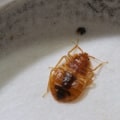
Cockroaches are among the most notorious household pests, known for their resilience and ability to thrive in various environments. These insects can be found in homes, restaurants, and other establishments, often lurking in dark, damp areas. Their presence is not just a nuisance; they pose significant health risks that can affect the well-being of your family.Health Risks of Cockroaches
Cockroaches are carriers of numerous pathogens that can lead to serious health issues. They can contaminate food and surfaces with bacteria such as Salmonella and E.
coli
, which can cause food poisoning. Additionally, their droppings, saliva, and shed skin contain allergens that can trigger asthma attacks and allergic reactions, particularly in sensitive individuals such as children and those with pre-existing respiratory conditions.Research has shown that exposure to cockroach allergens is linked to increased asthma symptoms in children. In fact, the presence of cockroaches in a home can exacerbate asthma-related hospital visits. Therefore, it is crucial to address any cockroach infestations promptly to safeguard your family's health.Cockroach Control Strategies
Effective cockroach control requires a multi-faceted approach.
Here are some essential strategies to manage and prevent cockroach infestations:
- Maintain Cleanliness: Regularly clean your home, focusing on kitchens and dining areas where food particles may accumulate. Wipe down surfaces, sweep floors, and ensure that food is stored in sealed containers.
- Seal Entry Points: Inspect your home for cracks and crevices where cockroaches might enter. Use caulk or other materials to seal these openings, particularly around pipes and vents.
- Reduce Moisture: Cockroaches thrive in damp environments. Fix any leaks in plumbing and use dehumidifiers in areas prone to moisture accumulation.
- Use Baits and Traps: Employ cockroach baits and traps strategically placed in areas where you suspect activity.
These products can help reduce the population effectively.
- Consult Professionals: If the infestation persists despite your efforts, consider hiring a pest control professional who can provide targeted treatments tailored to your specific situation.
Bees and Wasps: Allergic Reactions and Control Measures
Bees and wasps play a crucial role in our ecosystem, primarily as pollinators. They contribute significantly to the growth of plants, which in turn supports various food chains. However, their presence can become problematic, especially for individuals with allergies.Understanding the risks associated with bee and wasp stings is essential for effective top control pest strategies.
Allergic Reactions to Stings
For many people, a bee or wasp sting can lead to mild discomfort, including redness and swelling at the site of the sting. However, for those with allergies, the consequences can be severe. An allergic reaction may manifest as:
- Hives or rash
- Swelling of the face, throat, or tongue
- Dizziness or fainting
- Difficulty breathing
- Anaphylaxis (a life-threatening reaction that requires immediate medical attention)
Control Measures for Bees and Wasps
While bees are generally non-aggressive and only sting when threatened, wasps can be more aggressive, especially when their nests are disturbed. Here are some effective bee control and wasp control measures:
- Avoidance: Stay calm and avoid swatting at bees or wasps.
Quick movements can provoke them.
- Nest Removal: If you discover a nest on your property, it’s best to contact a professional pest control service for safe removal. Attempting to remove it yourself can lead to multiple stings.
- Preventive Measures: Seal any cracks or openings in your home where bees or wasps might enter. Keep food covered when outdoors and promptly clean up spills.
- Natural Deterrents: Consider planting flowers that attract bees away from your living areas or using decoy nests to deter wasps.
Preventative Measures Against Dangerous Pests
Preventing infestations from dangerous pests requires a proactive approach that combines vigilance, proper maintenance, and effective strategies.Here are some essential pest prevention tips that homeowners can implement to safeguard their living spaces:
- Seal Entry Points: Inspect your home for cracks and gaps in walls, windows, and doors. Use caulk or weather stripping to seal these openings, as they can serve as entry points for pests like rodents and insects.
- Maintain Cleanliness: Regularly clean your home, especially kitchens and dining areas. Wipe down surfaces, sweep floors, and promptly clean up spills to eliminate food sources that attract pests.
- Proper Food Storage: Store food in airtight containers to prevent access by pests. This includes pet food, which should also be kept sealed when not in use.
- Manage Waste: Dispose of garbage regularly and use bins with tight-fitting lids.
This reduces the likelihood of attracting pests such as cockroaches and rodents.
- Landscaping Considerations: Keep shrubs and trees trimmed away from your home. Overhanging branches can provide pathways for pests to enter your home. Additionally, avoid planting dense vegetation close to the foundation.
- Moisture Control: Many pests thrive in damp environments. Fix leaky pipes, ensure proper drainage around your home, and use dehumidifiers in areas prone to moisture buildup.
- Regular Inspections: Conduct routine inspections of your property for signs of pest activity.
Look for droppings, nests, or damage to structures. Early detection is key to preventing larger infestations.
- Professional Pest Control: Consider hiring a professional pest control service for regular treatments and inspections. They can provide tailored solutions based on the specific risks in your area.
Stay vigilant and proactive to protect your home and family from the threats posed by these pests.
When to Call a Professional Pest Control Service
Understanding when to call a professional pest control service is crucial for maintaining a safe and healthy living environment. While DIY methods can be effective for minor infestations, there are specific scenarios where the expertise of a professional is not just beneficial but necessary.Signs of a Serious Infestation
If you notice a significant increase in pest activity, such as seeing multiple rodents or insects daily, it may be time to seek professional help. Top control pest services are equipped to handle large infestations that can quickly escalate if left untreated. For example, a few cockroaches can turn into hundreds in a matter of weeks, making early intervention essential.Health Risks
Some pests pose serious health risks that require immediate attention.Rodents, for instance, can carry diseases that affect humans, such as hantavirus and leptospirosis. If you or your family members experience unexplained health issues that could be linked to pest exposure, contacting a professional is advisable. They can assess the situation and implement effective measures to eliminate the threat.
Structural Damage
Pests like termites and carpenter ants can cause significant structural damage to your home. If you notice signs of wood damage, such as hollow-sounding wood or frass (termite droppings), it’s crucial to call in experts who specialize in pest control.They can conduct thorough inspections and provide treatments that protect your home from further damage.
Persistent Problems
If you’ve tried various DIY methods without success, it’s time to consider professional pest control services. Persistent problems often indicate that the underlying issue has not been addressed effectively. Professionals have access to advanced tools and techniques that can tackle even the most stubborn infestations.Specialized Knowledge
Different pests require different approaches for effective control. Professionals are trained to identify the specific species causing issues and understand their behavior patterns.This knowledge allows them to tailor their strategies for maximum effectiveness, ensuring that the pests are not only eliminated but also prevented from returning.In summary, while DIY methods can be useful for minor pest issues, recognizing when to call in the professionals is key to effective pest management. If you encounter serious infestations, health risks, structural damage, persistent problems, or require specialized knowledge, don’t hesitate to reach out to a top control pest service for assistance.
FAQs About Dangerous Pests and Control Methods
When it comes to managing dangerous pests, many homeowners have questions about effective strategies and preventive measures. Here are some frequently asked questions that can help you better understand how to protect your home and family from these threats.What are the most common dangerous pests?
Some of the most notorious dangerous pests include:- Mosquitoes : Known for transmitting diseases like malaria and Zika virus.
- Rodents : Can carry diseases and trigger allergies, particularly harmful for asthma sufferers.
- Scorpions : Certain species, like the Indian red scorpion, can deliver venomous stings that may be fatal.
- Cockroaches : Resilient insects that can spread bacteria and exacerbate asthma symptoms.
- Bees and Wasps : Their stings can be dangerous, especially for individuals with allergies.
How can I prevent pest infestations?
Preventing infestations starts with proactive measures:- Seal Entry Points : Inspect your home for cracks and gaps where pests can enter, and seal them effectively.
- Maintain Cleanliness : Regularly clean your home, especially kitchens and dining areas, to eliminate food sources for pests.
- Manage Moisture : Fix leaks and reduce humidity levels to deter pests like mosquitoes and cockroaches.
- Landscaping Practices : Keep vegetation trimmed and away from your home to minimize hiding spots for pests.
What should I do if I find a dangerous pest in my home?
If you encounter a dangerous pest:- Stay Calm : Avoid panicking; assess the situation carefully.
- Do Not Attempt to Handle It Yourself : For venomous creatures like scorpions or aggressive insects, it’s best to call a professional pest control service.
- Document the Pest : Take photos if safe to do so; this can help pest control experts identify the species.
- Follow Up : After treatment, ensure you follow any recommendations provided by pest control professionals to prevent future infestations.
Conclusion: Staying Safe from Dangerous Pests
In conclusion, understanding the threats posed by dangerous pests is crucial for maintaining a safe and healthy environment.As we have explored, pests such as mosquitoes, rodents, scorpions, cockroaches, and stinging insects can have significant impacts on our health and well-being. Each of these pests brings unique challenges that require tailored approaches for effective management.To protect yourself and your family from these threats, it is essential to adopt a proactive stance in pest control. Here are some key strategies to consider:
- Regular Inspections: Conduct routine checks around your home and property to identify potential pest entry points or breeding grounds. Early detection can prevent infestations before they escalate.
- Maintain Cleanliness: Keeping your living spaces clean is one of the most effective ways to deter pests.
Regularly dispose of garbage, clean up food spills, and store food in sealed containers.
- Seal Entry Points: Inspect your home for cracks and gaps in walls, windows, and doors. Sealing these openings can significantly reduce the likelihood of pests entering your home.
- Use Safe Pest Control Methods: When dealing with infestations, opt for pest control methods that are safe for both humans and pets. Consider natural repellents or consult with a professional pest control service that uses environmentally friendly products.
- Educate Yourself: Stay informed about the types of pests common in your area and their behaviors. Knowledge is a powerful tool in preventing infestations and ensuring safety.
Remember that vigilance is key; being proactive rather than reactive will not only protect your health but also enhance your overall quality of life. In the battle against pests, staying informed and prepared is your best defense.