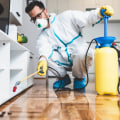
Every homeowner dreads the thought of pests invading their sanctuary. Destructive pests can wreak havoc on your property, leading to significant damage and costly repairs. From the silent but deadly termites that feast on wooden structures to the relentless rodents that gnaw through insulation and wiring, these invaders can compromise the integrity of your home. Understanding the nature of these pests and their potential impact is crucial for effective pest control .The consequences of a pest infestation extend beyond mere annoyance; they can lead to severe structural damage, health risks, and a decrease in property value.
For instance, termites can cause thousands of dollars in damage before their presence is even detected, often going unnoticed until it’s too late. Similarly, rodents are not just a nuisance; they can carry diseases that pose serious health threats to you and your family. This makes it imperative to recognize the signs of an infestation early and take swift action.Effective pest elimination strategies are essential for safeguarding your home. This involves not only addressing existing infestations but also implementing preventive measures to deter future invasions.
Homeowners must be vigilant, regularly inspecting their properties for signs of pests and understanding the conditions that attract them. By being proactive and informed, you can protect your home from these destructive forces.In this article, we will delve deeper into the most destructive pests that threaten homes today, exploring their behaviors, the damage they cause, and the best methods for eradication. Whether you’re dealing with a current infestation or looking to prevent one, knowledge is your best defense against these unwelcome guests.
Understanding the Most Destructive Pests
When it comes to household pests, understanding the most destructive ones is crucial for effective pest management. These pests not only invade our living spaces but can also cause significant damage to property and pose health risks.Below, we delve into some of the most notorious offenders, their characteristics, and the potential harm they can inflict.
Termites
Termites are often labeled as the most destructive pests due to their insatiable appetite for wood. These small insects can silently consume the structural components of a home, leading to severe damage that may go unnoticed until it’s too late. There are several species of termites, including:- Subterranean Termites: These live underground and create mud tubes to access wood above ground.
- Drywood Termites: They infest dry wood and do not require contact with soil.
- Dampwood Termites: Found in decaying wood, they thrive in moist environments.
Ants
While ants may seem harmless, certain species can be quite destructive.Carpenter ants, for instance, excavate wood to build their nests, which can compromise the integrity of wooden structures. Other common types include:
- Fire Ants: Known for their painful stings and aggressive behavior.
- Sugar Ants: Attracted to sweet substances, they can invade kitchens and pantries.
Cockroaches
Cockroaches are notorious for their resilience and ability to reproduce rapidly. They can contaminate food and surfaces with bacteria and allergens.Common species include:
- American Cockroach: Large and reddish-brown, often found in warm areas.
- German Cockroach: Smaller and more common in homes, known for its rapid reproduction.
Rodents
Mice and rats are not just nuisances; they can cause extensive damage by gnawing on wires, insulation, and even structural elements of your home. They also pose health risks by spreading diseases through their droppings and urine. Key identification signs include:- Noises: Scratching or scurrying sounds in walls or attics.
- Nests: Shredded materials used for bedding.
- Droppings: Small droppings found near food sources or nesting areas.
Termites: The Silent Destroyers
Termites are often referred to as the silent destroyers of the pest world, and for good reason.These small insects can cause extensive damage to your home before you even realize they are present. Understanding their behavior, the signs of an infestation, and effective control methods is crucial for homeowners.
Understanding Termite Behavior
Termites primarily feed on cellulose, a component found in wood, paper, and other plant materials. This diet makes homes with wooden structures particularly vulnerable. They live in colonies that can range from a few thousand to millions of individuals, depending on the species.
The most common types of termites that invade homes include:
- Subterranean Termites: These termites live underground and are responsible for most of the damage in the United States. They build mud tubes to travel between their nests and food sources.
- Drywood Termites: Unlike subterranean termites, drywood termites do not require contact with soil. They infest dry wood and can cause significant damage within walls and furniture.
- Dampwood Termites: These termites prefer wood that is decaying or has high moisture content. They are less common but can still pose a threat to homes with water damage.
Signs of Termite Infestation
Detecting termites early can save you from costly repairs.
Here are some common signs to look out for:
- Wood Damage: Look for hollowed-out wood or wood that sounds hollow when tapped.
- Frass: This is termite droppings that resemble sawdust or small pellets. Finding frass near wooden structures is a clear indication of an infestation.
- Mud Tubes: Subterranean termites create mud tubes for protection while traveling between their nests and food sources. These tubes can often be found along foundation walls or in crawl spaces.
- Swarms: During certain seasons, you may notice swarming termites, which are reproductive adults leaving the colony to establish new colonies.
Effective Termite Control Methods
If you suspect a termite infestation, it’s essential to act quickly. Here are some effective methods for controlling and eliminating termites:
- Professional Inspection: Hiring a pest control expert is often the best first step.
They can conduct a thorough inspection and identify the type of termite present.
- Treatment Options: Depending on the severity of the infestation, treatments may include liquid termiticides, baiting systems, or fumigation for drywood termites.
- Preventive Measures: To prevent future infestations, ensure proper drainage around your home, fix leaks promptly, and store firewood away from your home’s foundation.
Ants: More Than Just a Nuisance
When it comes to household pests, ants are often underestimated. While they may seem like a minor annoyance, certain species can cause significant damage and disruption within your home. Understanding the different types of ants that can invade your space is crucial for effective control and elimination.Common Ant Species
Among the various ant species, a few stand out due to their propensity to invade homes:- Carpenter Ants: These large ants are notorious for their ability to tunnel through wood, which can compromise the structural integrity of your home.
Unlike termites, carpenter ants do not consume wood; instead, they excavate it to create nests.
- Odorous House Ants: Known for their distinct smell when crushed, these small black or brown ants are often found in kitchens and pantries, seeking food sources.
- Pavement Ants: Typically found outdoors, pavement ants can invade homes in search of food. They are recognizable by their dark color and small size.
- Fire Ants: These aggressive ants can deliver painful stings and are often found in warmer climates. They build large mounds and can pose a health risk to humans and pets.
Identifying an Ant Infestation
Recognizing the signs of an ant infestation is essential for timely intervention. Look for:- Trails of ants leading to food sources or nesting sites.
- Small piles of sawdust or wood shavings, indicating carpenter ant activity.
- Visible nests in walls or other hidden areas.
Effective Ant Control Methods
Once you identify an ant problem, implementing effective control methods is vital:- Bait Traps: Using bait traps is one of the most effective ways to eliminate ants.
These traps contain poison that worker ants carry back to their colonies, ultimately killing the queen and other members.
- Sealing Entry Points: Preventing future infestations starts with sealing cracks and crevices around your home. Pay special attention to areas around windows, doors, and foundations.
- Maintaining Cleanliness: Keeping your home clean and free of food debris will reduce the likelihood of attracting ants. Store food in airtight containers and promptly clean up spills.
- Professional Extermination: If the infestation persists despite your efforts, consider hiring a pest control professional. They have access to advanced treatments and can provide long-term solutions.
By understanding the types of ants that invade homes and employing effective control methods, you can protect your living space from these persistent pests.
Cockroaches: The Resilient Invaders
Cockroaches are among the most persistent and resilient pests that can invade your home. Known for their ability to adapt to various environments, these insects can thrive in conditions that would be inhospitable to many other species. Their presence is not only a nuisance but also a significant health risk, making effective cockroach control essential for maintaining a safe living space.One of the most alarming aspects of cockroaches is their rapid reproduction rate. A single female cockroach can produce hundreds of offspring in her lifetime, leading to a swift escalation of an infestation.This exponential growth means that if you spot one cockroach, there are likely many more hiding nearby. Common species found in homes include the American cockroach, German cockroach, and Oriental cockroach, each with unique characteristics but similar resilience.
Health Risks Associated with Cockroaches
Cockroaches are not just unsightly; they pose serious health risks to humans. They are known carriers of various pathogens and allergens that can trigger asthma and other respiratory issues. Their droppings, saliva, and shed skin contain proteins that can provoke allergic reactions in sensitive individuals.Furthermore, cockroaches can contaminate food and surfaces with bacteria such as Salmonella and E. coli, leading to foodborne illnesses.
Effective Control Measures
To combat a cockroach infestation effectively, it is crucial to implement a multi-faceted approach:- Sanitation: Keeping your home clean is the first line of defense. Regularly vacuuming and wiping down surfaces can eliminate food particles and potential nesting sites.
- Sealing Entry Points: Inspect your home for cracks and crevices where cockroaches might enter. Sealing these gaps can significantly reduce their access.
- Bait Traps: Using bait traps specifically designed for cockroaches can help control their population.
These traps attract roaches and deliver a slow-acting poison that allows them to return to their nests before dying.
- Pesticides: In severe cases, professional pest control services may be necessary. They have access to stronger pesticides and methods that are not available to the general public.
Rodents: The Chewing Menace
Rodents are among the most common pests that invade homes, and their presence can lead to significant damage and health risks. The most frequently encountered rodents include house mice , Norway rats , and roof rats.Each of these species has unique behaviors and characteristics that can contribute to their destructive nature.
House Mice
: These small, agile creatures are notorious for their ability to squeeze through tiny openings. They often nest in walls, attics, and basements, where they can cause damage by gnawing on insulation, wiring, and even wood. Their droppings can contaminate food sources, leading to potential health hazards.
Norway Rats
: Larger than house mice, Norway rats are burrowing rodents that prefer to live in underground tunnels. They are known for their strong teeth, which allow them to chew through almost anything, including electrical wires and plumbing.
This behavior not only causes structural damage but also increases the risk of fire hazards.
Roof Rats
: These rodents are excellent climbers and often invade homes through roofs or upper levels. They can cause significant damage by chewing on wood and insulation, as well as contaminating food supplies with their droppings.
Health Risks from Rodents
The presence of rodents in your home poses serious health risks. They are known carriers of various diseases, including:- Hantavirus Pulmonary Syndrome : Transmitted through contact with rodent droppings or urine.
- Leptospirosis : A bacterial infection that can be contracted through contact with contaminated water or soil.
- Salmonella : Often spread through food contaminated by rodent droppings.
- Lymphocytic Choriomeningitis (LCMV) : A viral infection that can be transmitted through contact with infected rodents or their droppings.
Effective Rodent Control Methods
To effectively eliminate rodent infestations, it is essential to employ a combination of prevention and control strategies:- Seal Entry Points : Inspect your home for gaps and cracks where rodents can enter. Use materials like steel wool or caulk to seal these openings.
- Maintain Cleanliness : Keep food stored in airtight containers and promptly clean up spills and crumbs to reduce attractants.
- Set Traps : Use snap traps or electronic traps in areas where you suspect rodent activity.
Bait them with appealing foods like peanut butter or dried fruit.
- Professional Extermination : If the infestation is severe, consider hiring a pest control professional who can assess the situation and implement effective removal strategies.
Honey Bees: A Delicate Situation
Honey bees are often misunderstood when it comes to pest control. While they can become a nuisance if they invade your home, their ecological importance cannot be overstated. These industrious insects play a crucial role in pollinating plants, which is essential for food production and maintaining biodiversity. Therefore, addressing honey bee infestations requires a delicate approach that prioritizes both safety and environmental responsibility.When honey bees establish a colony in or around your home, it’s important to recognize the signs of an infestation.Common indicators include:
- Increased bee activity: Noticing a significant number of bees buzzing around your property, especially near entry points or hidden areas.
- Honeycomb presence: Finding wax structures or honeycomb in attics, walls, or other sheltered spaces.
- Swarming behavior: Observing groups of bees clustering together, which often indicates that a colony is looking to establish a new hive.
- Avoid DIY removal: Unlike other pests, honey bees should not be removed using standard insecticides or traps. These methods can harm the bees and disrupt their vital role in the ecosystem.
- Contact a professional: Seek out local beekeepers or pest control experts who specialize in safe bee removal. They have the training and equipment necessary to relocate the bees without causing them harm.
- Seal entry points: After the bees have been safely removed, ensure that any potential entry points are sealed to prevent future infestations.
This may include repairing cracks in walls or covering vents.
Preventive Measures Against Pest Infestations
Preventing pest infestations is a crucial aspect of maintaining a healthy and safe home environment.By implementing proactive measures, homeowners can significantly reduce the likelihood of pests invading their space. Here are some effective pest prevention tips that can help keep your home pest-free:
- Regular Home Inspections: Conduct routine inspections of your home, focusing on areas where pests are likely to enter or hide, such as basements, attics, and crawl spaces. Look for signs of pest activity, including droppings, nests, or damage to wood and insulation.
- Seal Entry Points: One of the most effective ways to prevent pests from entering your home is by sealing any potential entry points. Inspect windows, doors, and foundation cracks for gaps.
Use caulk or weather stripping to seal these openings effectively.
- Maintain Landscaping: Keep your yard well-maintained by trimming shrubs and trees away from the house. Overgrown vegetation can provide shelter for pests and create a bridge for them to access your home.
- Proper Waste Management: Ensure that garbage bins are tightly sealed and regularly emptied. Pests are often attracted to food sources, so keeping waste contained is essential in deterring them.
- Store Food Properly: Store food in airtight containers to prevent attracting pests like ants and cockroaches. Regularly clean up crumbs and spills in the kitchen and dining areas.
- Control Moisture Levels: Many pests thrive in damp environments.
Fix any leaks in plumbing and ensure proper drainage around your home. Use dehumidifiers in areas prone to moisture buildup.
- Inspect Roofs and Gutters: Regularly check your roof for missing shingles or leaks that could allow pests to enter. Clean gutters to prevent water accumulation, which can attract insects.
- Check Screens: Ensure that window and door screens are intact without any holes or tears.
This will help keep flying insects out while allowing fresh air in.
- Maintain Plumbing: Regularly inspect plumbing fixtures for leaks or standing water, as these can attract pests like cockroaches and rodents.
When to Call a Professional Exterminator
Determining when to call a professional exterminator can be challenging, especially for homeowners who may not be familiar with the signs of a pest infestation. However, recognizing the right time to seek help is crucial for effective pest management and preventing further damage to your property.Signs That Indicate You Should Call an Exterminator
- Visible Pests: If you notice pests such as cockroaches, ants, or rodents in your home, it’s a clear indication that you may have an infestation. Even a single sighting can suggest that there are more hidden within your walls or under your floors.
- Droppings and Urine: Finding droppings or urine stains is a strong sign of pest activity.
Rodent droppings, for example, can be found in areas where they nest or travel, while insect droppings may appear as small black specks.
- Gnaw Marks: If you see gnaw marks on furniture, walls, or food packaging, it’s likely that rodents are present. These marks indicate that pests are actively chewing through materials in your home.
- Unusual Noises: Hearing scratching or scurrying sounds at night can be a sign of rodents in your attic or walls. If these noises persist, it’s time to call in the professionals.
- Structural Damage: If you notice signs of damage to wood structures, such as sagging floors or hollow-sounding wood, this could indicate a termite infestation. Termites can cause significant damage before they are detected.
What to Expect from Professional Pest Control Services
When you decide to call a pest management professional, you can expect a thorough inspection of your property.
The exterminator will assess the extent of the infestation and identify the type of pests present. This initial evaluation is crucial for developing an effective treatment plan.After the inspection, the exterminator will discuss their findings with you and recommend appropriate treatment options. These may include:
- Targeted Treatments: Depending on the type of pest, treatments may involve baiting systems for ants and cockroaches or specialized insecticides for termites.
- Preventive Measures: Professionals will often provide advice on how to prevent future infestations by sealing entry points and eliminating food sources.
- Follow-Up Visits: Many pest control services offer follow-up visits to ensure that the treatment was effective and to monitor for any signs of re-infestation.
<strong>Conclusion</strong>: Protecting Your Home from Destructive Pests
In summary, protecting your home from destructive pests requires a comprehensive understanding of the various types of pests that can invade your space and the strategies available for effective control.The pests discussed—termites, ants, cockroaches, rodents, and honey bees—each pose unique challenges and can lead to significant damage if not addressed promptly.
Summary of Pest Control Strategies
- Termites: Regular inspections and professional treatments are essential for early detection and prevention.
- Ants: Utilizing bait traps can effectively manage ant populations while minimizing the use of harmful sprays.
- Cockroaches: Sealing entry points and employing traps are crucial for long-term control.
- Rodents: A combination of traps and exclusion methods is necessary to eliminate these pests and prevent future infestations.
- Honey Bees: Professional removal is recommended to ensure safety for both the bees and your household.
Importance of Early Detection
Early detection is vital in pest management. The sooner you identify a pest problem, the easier it is to control and eliminate it. Regular inspections of your home, especially in areas prone to infestations such as basements, attics, and kitchens, can help catch issues before they escalate. Signs of pest activity, such as droppings, nests, or damage to wood structures, should never be ignored.
Long-Term Pest Management
A proactive approach to pest control is essential for long-term success.
This includes maintaining a clean environment, sealing cracks and crevices, and being vigilant about potential entry points for pests. Additionally, consider implementing integrated pest management (IPM) strategies that combine biological, cultural, physical, and chemical tools to minimize pest populations sustainably.By understanding the behaviors of these destructive pests and employing effective control measures, homeowners can significantly reduce the risk of infestations. Protecting your home is not just about immediate fixes; it’s about creating a long-lasting barrier against these unwelcome invaders. Stay informed, act quickly, and consider professional assistance when necessary to ensure your home remains a safe haven free from destructive pests.